
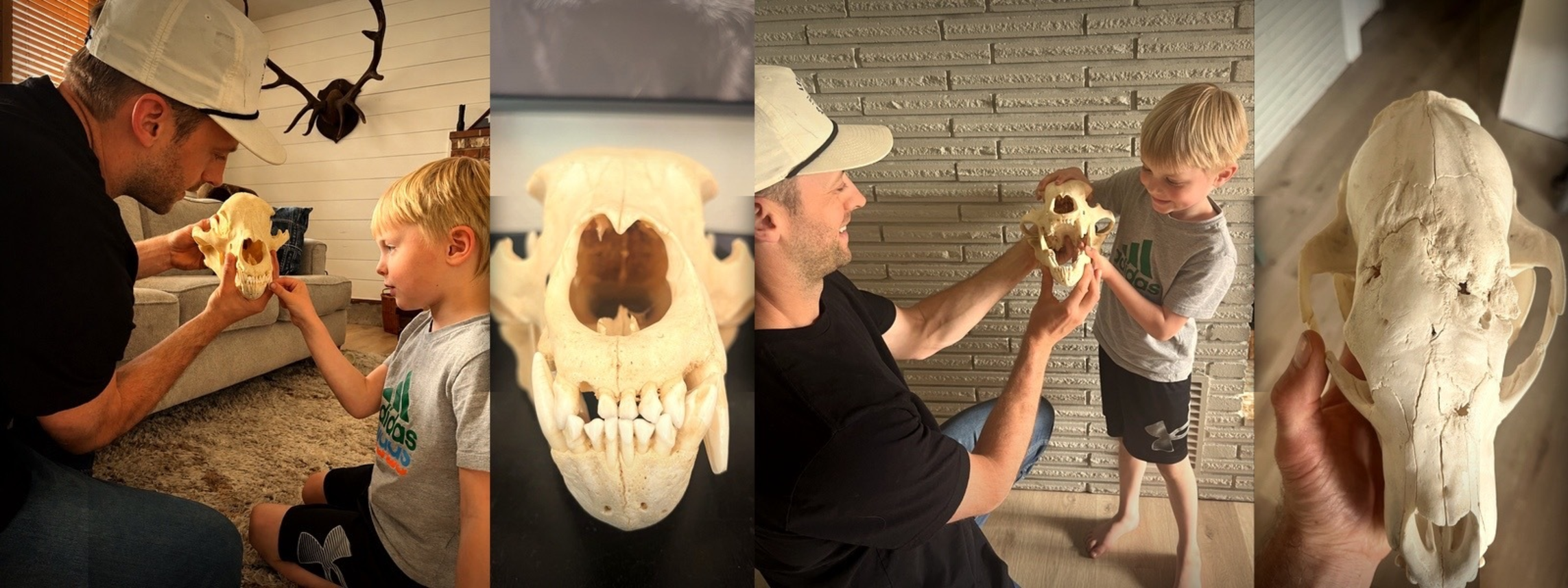
What Bear Skulls Teach Kids
What if one of the most powerful tools for teaching a kid how to navigate setbacks and stop letting the opinions of others dictate their life wasn't found in a classroom, but in a bear skull?
Beyond consuming the meat, rendering the fat, tanning the hide, bleaching the skull for display, or using the resource from a recent harvest in traditional ways, there are other ways we can use a bear from a successful hunt. Stewardship of a harvest doesn’t just have to end with consumption or preserving the memory of the experience; it can extend far past that.
As a former high school teacher, I can confidently say that when you present a topic students can relate to in some way, there is a good chance they will become more interested in it, remember it longer, and maybe even begin thinking about how it applies to their own lives. When I used to teach anatomy and physiology, one of the things I noticed that resonated with students was when I connected a topic at hand, such as the bones of the body, and then introduced ideas, thoughts, and concepts in line with the topic that could be relatable to life outside of the classroom. When I did this, students became significantly more engaged. As hunters, conservationists, and parents, we have unique opportunities to use nature as a classroom. If we are fortunate enough to harvest an animal, there are often resources from that harvest that can become powerful educational tools for kids. One of the most fascinating and impactful examples of this is a bear skull.
Bear skulls are remarkable teaching tools because they immediately capture attention. Kids are naturally curious about bears. They are powerful and resilient animals that survive in constantly changing environments. The moment a kid picks up a bear skull or looks closely at one, questions start forming. Why are the teeth so large? How strong was its bite? Why do they have two eyes? That curiosity opens the door to deeper learning.
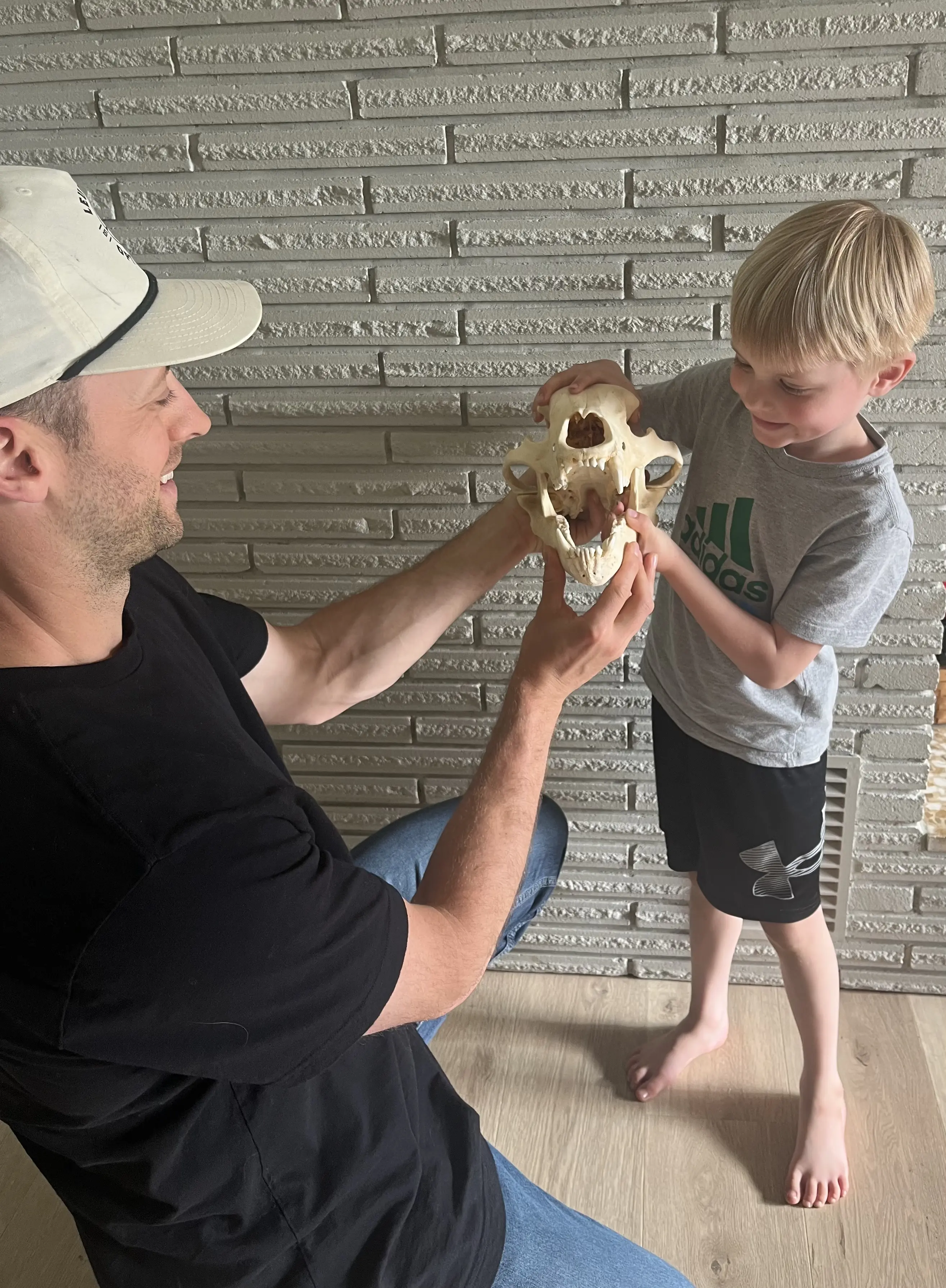
From an anatomy and physiology standpoint, bear skulls provide an incredible opportunity for kids to learn about structure and function. The skull protects one of the most important organs, the brain. It houses systems that allow bears to function with eyesight, hearing, smell, jaw strength, and coordination. Kids can see how the jaw moves, examine the size and shape of teeth, and compare the bear skull to their own skull. And suddenly, before you know it, biology is no longer abstract. It becomes tangible and more relatable.
One of the things many kids are missing today is meaningful curiosity tied to the real world. So much learning has become digital, detached, and surface-level. A bear skull brings learning back into the physical world. Kids can touch it. Wonder about it. Question it. That experience creates engagement in a way a textbook often cannot.
But beyond science and the physical aspects of a bear skull, bear skulls can also become gateways into conversations about the most powerful thing a brain can do: think.
A bear skull can teach kids that the brain is constantly making decisions and that those decisions can impact a multitude of things. Every day, a bear’s brain processes information and determines what actions will give it the best chance to survive. Should it avoid danger or stand its ground? Should it conserve energy or keep searching for food? Should it move into a new area, climb, fight, flee, rest, or adapt to changing conditions? Their brains are continually assessing situations and making decisions based on what is happening around them; the same goes for our brain.
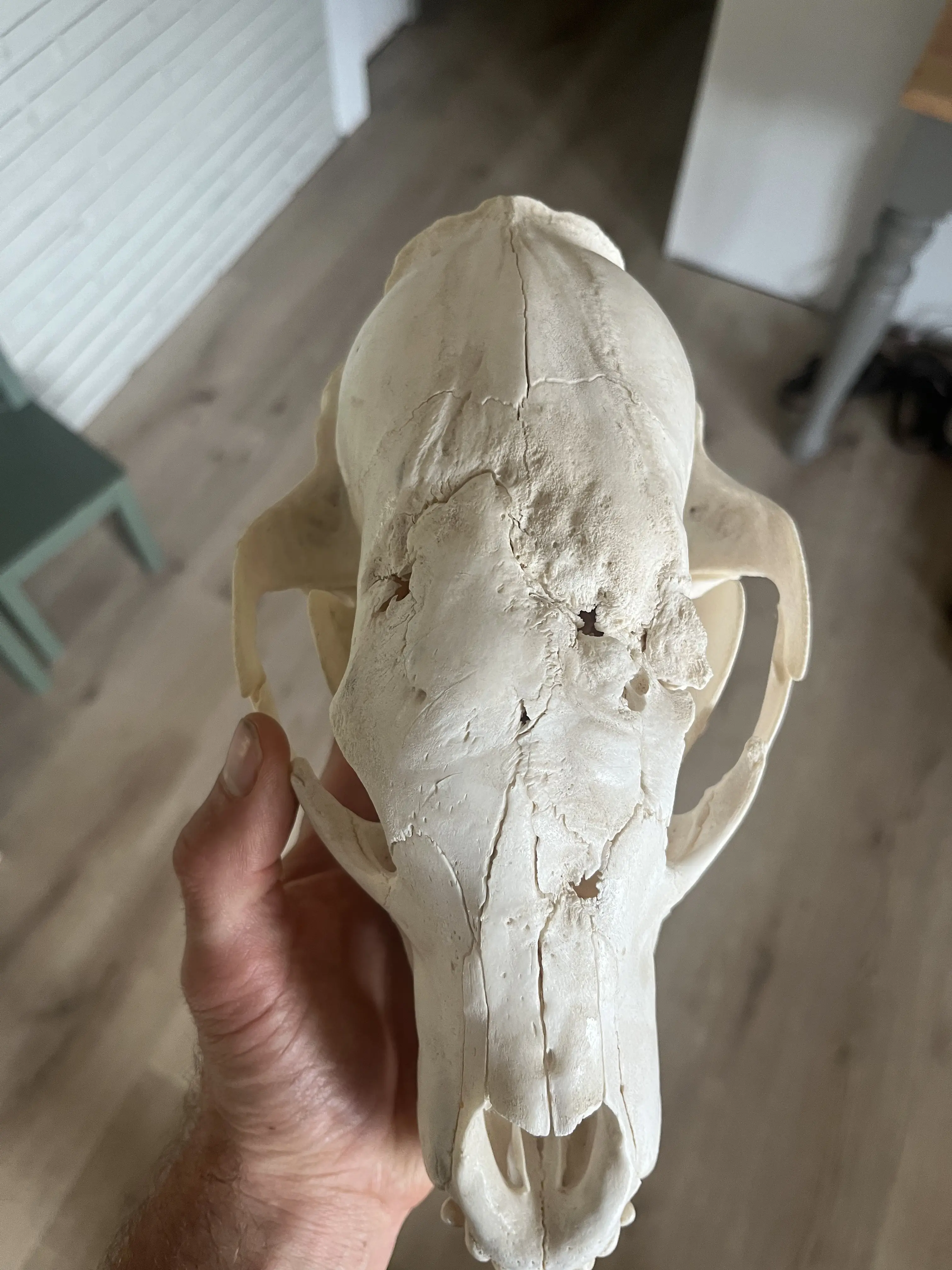
When it comes to kids, the challenges they often face can be traced back to one source: thinking. With all of the technology, media, and distractions competing for the attention of kids today, it becomes easier to understand why many find themselves struggling with mental confusion. The two areas where I most commonly notice challenges for kids are:
- Fear of Judgment - Worrying about what others think.
- Difficulty Handling Setbacks - Not knowing what to do when things don’t go as planned.
The information kids are exposed to influences how they think, and how they think influences the decisions they make. As a parent, you have probably come to realize that there is a lot outside of your control when it comes to what information your kids will encounter. Since you cannot control everything they are exposed to, the next best thing is to provide them with better information. Having conversations about worrying less about what others think and learning how to handle setbacks can both be sparked by something as simple as a bear skull. By showing a bear skull and emphasizing how the brain thinks and makes decisions, you can help a kid connect the dots between thinking, decision-making, and the way someone lives their life. Just as a bear uses its brain to make decisions that are beneficial to its survival, we can use our brains to make decisions that are beneficial to ours.
“If you are worried about what others might be thinking because you could not answer a question in class, or because someone made fun of the clothes you wore, remember this: in a few weeks, neither you nor anyone else will likely be thinking about those moments. Just as the sun rises and sets, words are spoken and then disappear. What does this tell us? It tells us that others' opinions are often far less important than we make them out to be. Yes, those opinions may sting and wear us down a bit at first, because they do for me as well, but when you truly think about how much they matter in the grand scheme of your life, you will realize they mean nothing unless you allow them to. The key is learning to think differently”.
Taking a moment to pause and think through a situation is one of the most practical conversations you can teach a kid. By using the bear skull as an entry point, you can also help them explore how to handle setbacks and challenges when they arise. More importantly, you can help them understand that setbacks are something everyone experiences, including the people they admire most. In fact, setbacks can be viewed as valuable because they provide opportunities to learn, adapt, and improve. Ultimately, it comes down to how you think about them. If setbacks and disappointments are framed as a normal part of life, something that everyone, including parents, experiences, they become much less intimidating. If someone else can work through a setback, they can too.
“One of the best things to do when setbacks arise is to pause, evaluate the situation, determine what is within your control, and then get back to work. In other words, if you trip and fall, get back up and keep moving forward. If you get a bad test score, study more next time. If you get an injury that prevents you from playing your favorite sport, do everything you can to recover properly and, while you heal, immerse yourself in other activities that you find joy in. When you learn to think this way, you can become better equipped to handle adversity when things do not go as planned. Setbacks are often just a message from the universe saying, “Not this way, try another.” The challenge is to listen to that message, think through it, and keep going. You have the capability to get past any setback”.
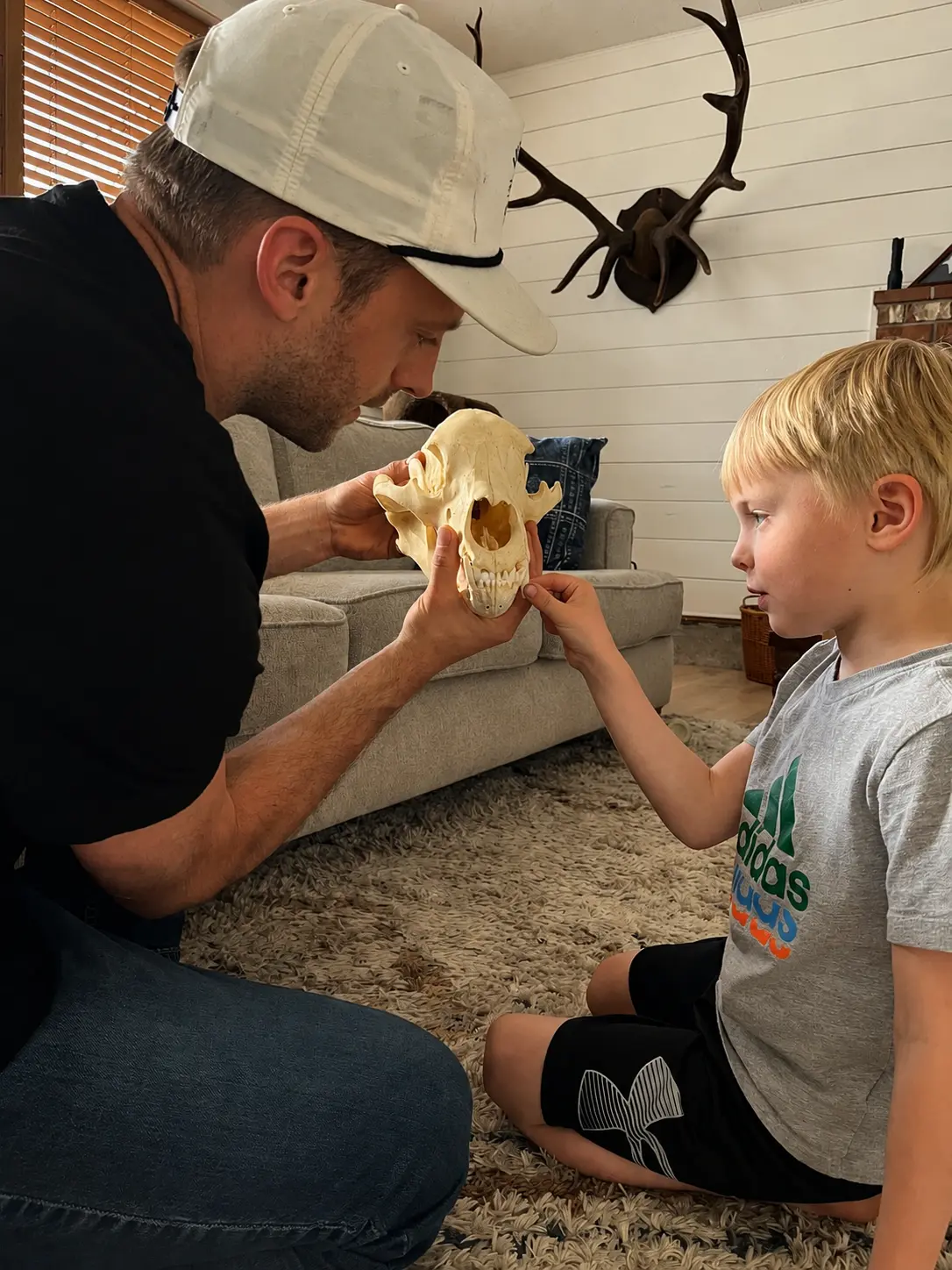
Bear skulls are wonderful educational tools to open conversations on things that you want kids to learn and better understand. When kids start thinking about these topics, it can create a natural connection back to themselves and their own brain. Using a bear skull to start these conversations helps kids understand that the brain is not just something inside our head; it is one of the most powerful tools we have for adapting, overcoming challenges, and improving our lives. When kids understand that, it can create a natural bridge into discussing their own brains and how their thoughts, habits, environment, and choices shape the trajectory of their lives. The point is that the bear skull becomes an entry point into mentorship, learning, and meaningful conversation.
In today’s world, many kids are struggling with direction, confidence, attention, and connection. Nature can help fill some of those gaps. Sometimes all it takes is a unique object, a thoughtful conversation, and a moment of curiosity to create a lasting impact.
How you present information to kids matters. The method can change everything. A bear skull is more than bone. It can be a stepping stone for teaching kids about something we think is important and impactful. It can become a hands-on science lesson, a conversation starter, a mentorship tool, and a doorway into helping kids better understand themselves to ensure they are more mentally equipped to navigate this so-called game of life we all play. A bear skull can help the next generation realize that how a person thinks often shapes how they experience life. If someone wants to experience life differently, start by thinking differently.
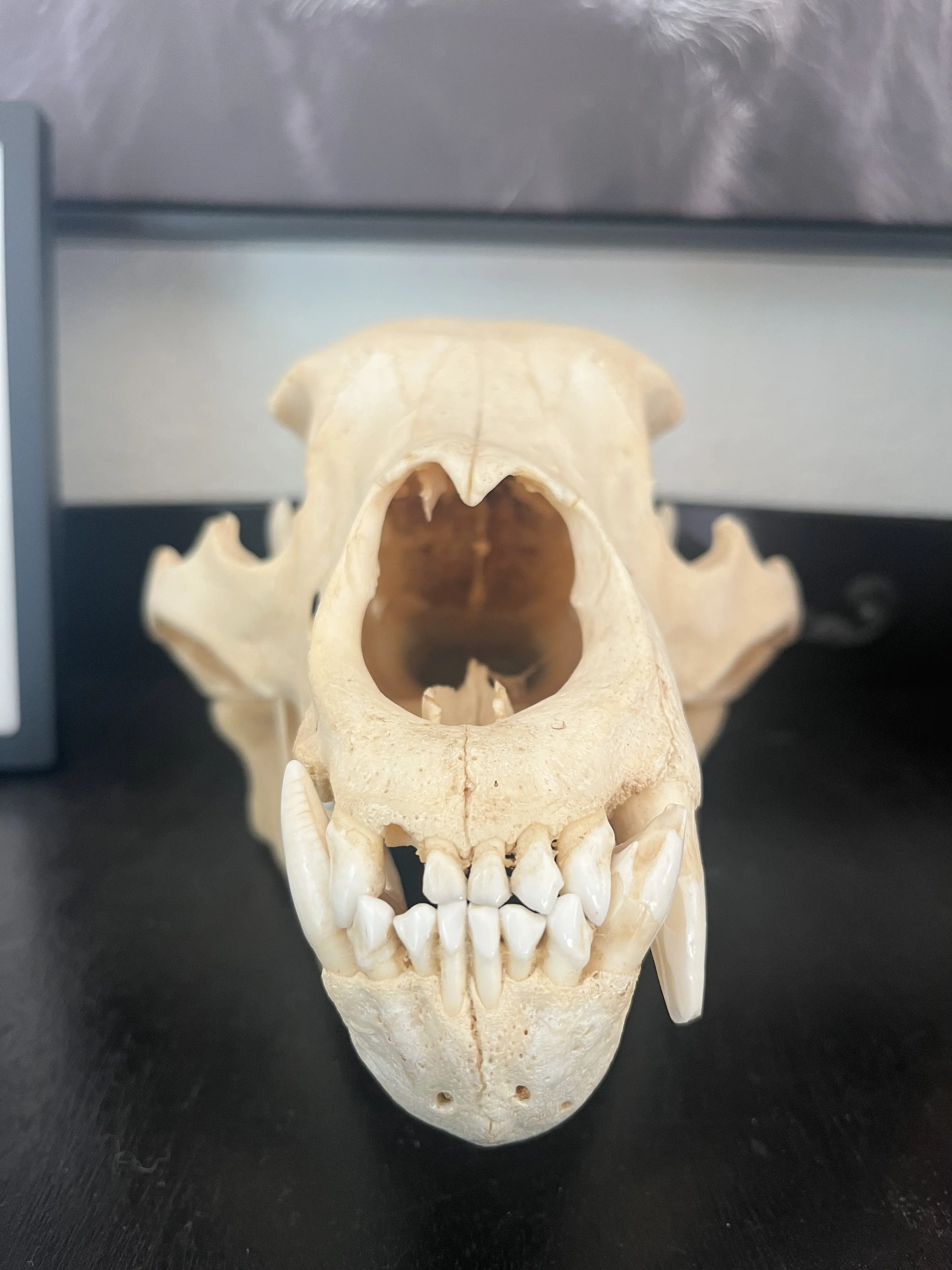
Who knows, using a bear skull to start a conversation with kids about the brain, how others’ opinions don’t matter, and that they have the capabilities to overcome setbacks may end up being the very thing a kid remembers for the rest of their life.
- Written by Linden Loren, Board Member, American Bear Foundation